See Me Whole
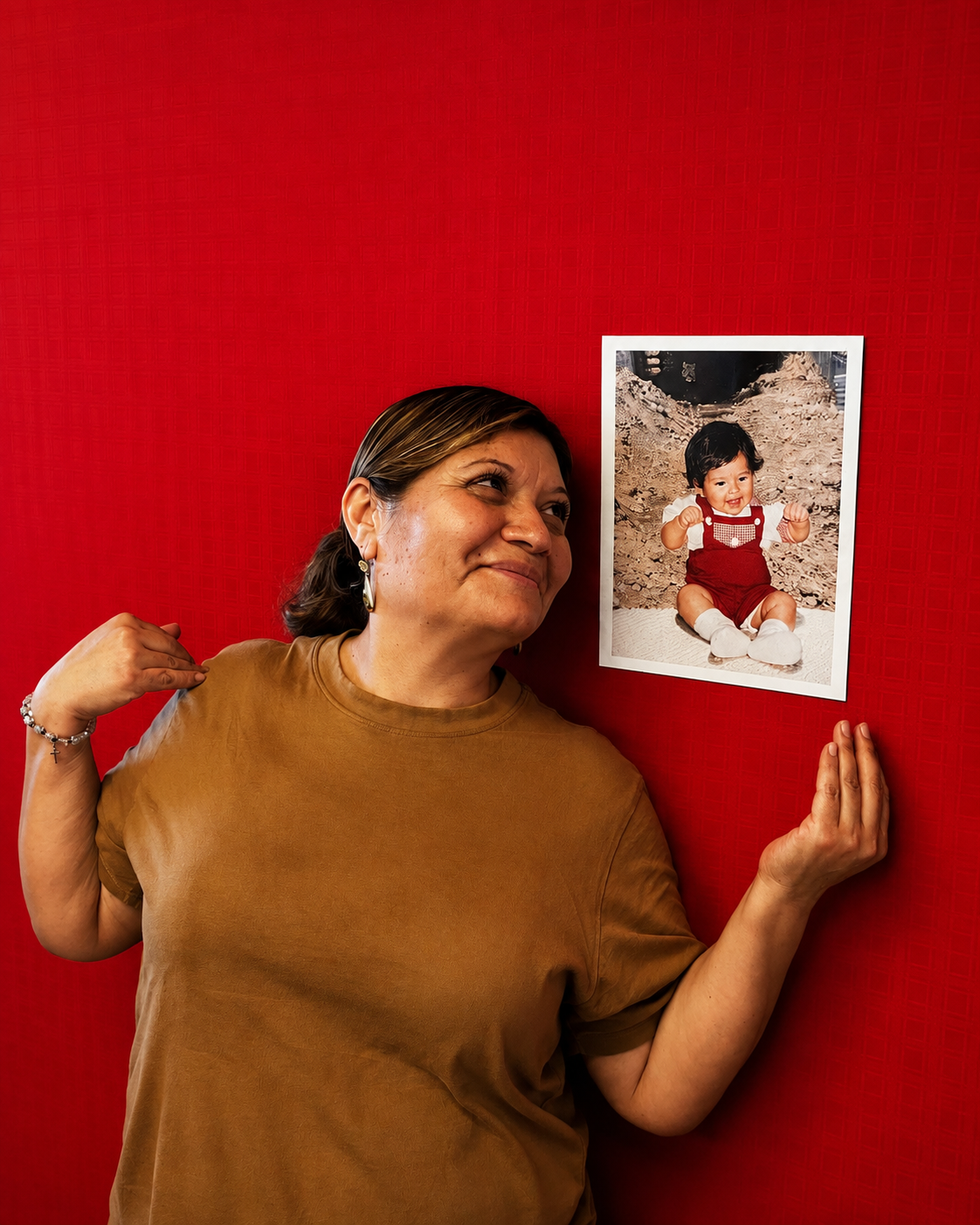
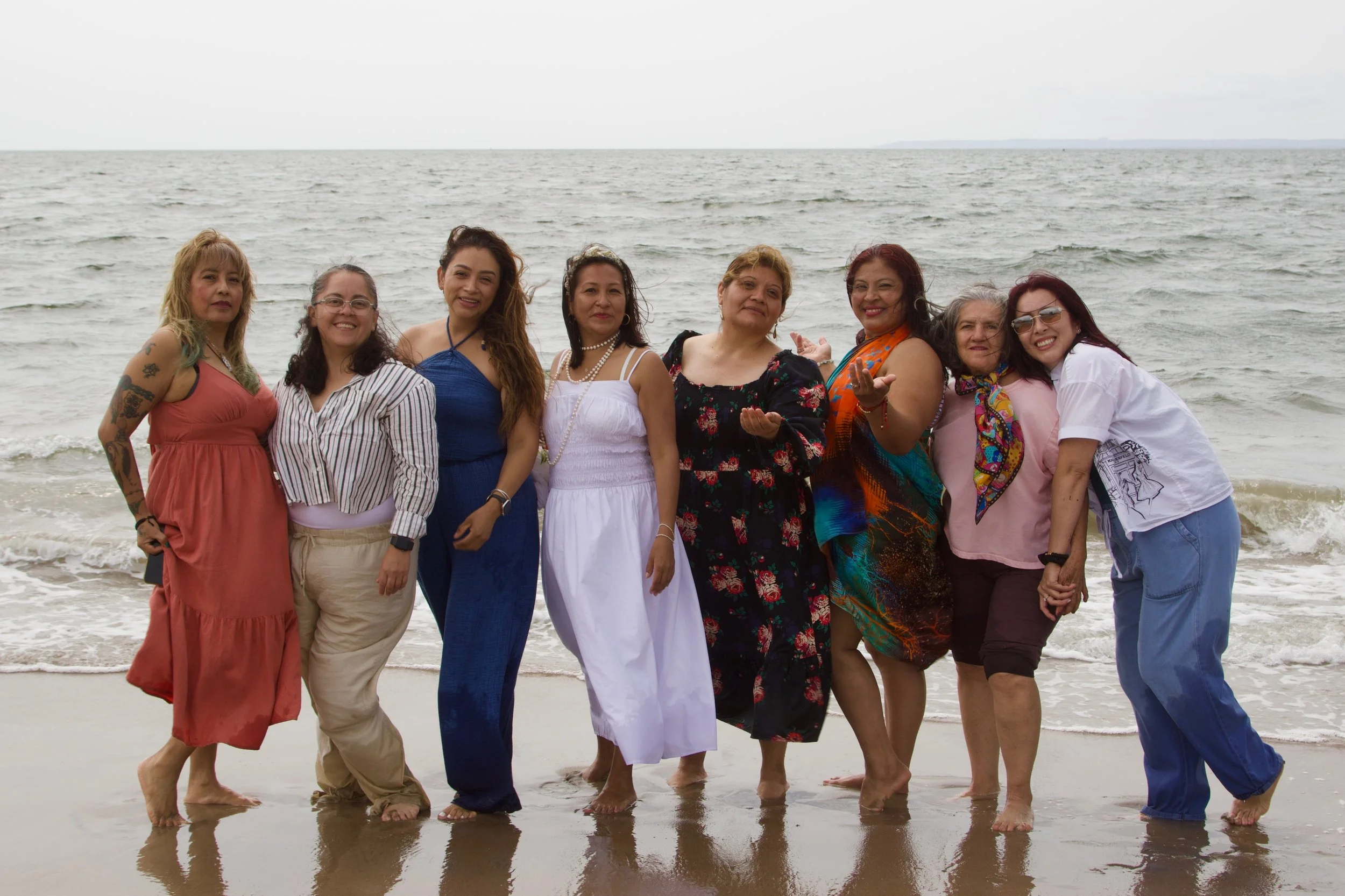
See Me Whole is a new short film created by WADE in collaboration with the peer leaders of the Domestic Violence Project. The film emerged from a collaborative process of listening, movement, storytelling, and creative exploration with eight women.
Rather than asking survivors to revisit or represent their experiences of violence, the process began with a different question: How can we see the whole person beyond what happened to them?
Through movement, conversation, personal storytelling, and intimate filming, each woman was invited to explore her identity, memories, relationships, dreams, humor, strength, and the life she is creating. The camera becomes a witness not simply to stories of survival, but to the complexity and fullness of each woman’s life.
The creative process is rooted in the understanding that the body carries memory. Through Body as Witness: From Violence to Voice, participants explored how experiences held in the body can be expressed, transformed, and reclaimed through movement and creative practice. These explorations became part of the language of the film, allowing gesture, presence, stillness, and movement to speak alongside words.
See Me Whole ultimately shifts the narrative away from violence as the defining story of a survivor’s life. It asks us to look beyond the experience of violence and recognize the person in her entirety: whole, complex, resilient, and continually becoming.
This project is made possible in part with funds from Creative Engagement, a regrant program supported by the New York State Council on the Arts with the support of the office of the Governor and the New York State Legislature and the Howard Gilman Foundation and administered by LMCC.
SEE ME WHOLE
A film by WADE
Created, Directed & Narrative Text*
Giada Matteini
Cinematography
Marissa Chen
Editing
Alisha Khatwani
Original Music
Mal Stein
Featuring in order of appearance:
Martha Soto, Veronica Abreu, Marisol Damian Ahuat, Margarita Trujillo, Ines Sanchez, Yesenia Garcia, Maribel Apolinar, and Tania Erceg
*In Spanish with English Subtitles.
Our Process
Bringing the Process to your Community
Explore a Collaboration
The creation of See Me Whole was grounded in the agency, choice, and authorship of the eight women who participated in the process. Rather than being asked to simply share their stories, each woman was invited to determine what she wanted to reveal, how she wanted to be seen, and which aspects of her life she wanted to bring into the film. Through conversation, movement, storytelling, and filming, the women actively shaped the images, gestures, narratives, and moments that became part of the final work. WADE’s role was to listen, facilitate, and create the conditions for each woman’s voice and vision to emerge. The process honored their right to define their own stories—not through the lens of violence, but through their identities, relationships, dreams, humor, strength, complexity, and everyday lives. In this way, See Me Whole is not a film made about the women, but a film created with and by them.
The creation of See Me Whole begins with survivors—not with a predetermined script, story, or visual concept. WADE works alongside a group of survivors through a collaborative process in which participants help shape the film from its earliest stages through its final presentation. The process begins with listening and conversation, creating space for participants to identify what they want to explore, what they want to share, and what they do not want to share. From there, survivors work with WADE to generate movement, stories, images, objects, sounds, and everyday moments that reflect how they want to be seen.
Participants are involved in making creative decisions throughout the process: choosing which aspects of their lives to bring into the film, developing or adapting movement, selecting meaningful locations and objects, determining how they want to appear on camera, and reviewing and responding to the material as it develops. Some may choose to speak directly to the camera; others may prefer movement, photographs, objects, landscapes, or scenes from everyday life. The process can also include collective conversations in which participants reflect on the images being created and help determine how their individual stories connect to a larger community narrative.
This structure allows the model to adapt to each community. A group of immigrant survivors might incorporate multiple languages, cultural traditions, family photographs, or objects connected to migration. Young survivors might choose music, writing, digital media, or contemporary movement practices. LGBTQIA+ survivors might explore chosen family, identity, visibility, and self-expression. Another community might choose to work primarily through movement, nature, memory, or everyday rituals. The creative language is determined by the people participating.
WADE’s role is to facilitate the conditions for this process—to provide artistic tools, ask questions, listen deeply, support experimentation, and help translate the group’s ideas into a film. The survivors remain the authors of what is revealed, how it is represented, and what the community is ultimately invited to see.
In this way, See Me Whole functions as an evolving, repeatable model rather than a single finished work. It can be recreated with different survivor communities, with each group shaping its own process and its own film. What is repeated is the methodology of survivor agency and creative authorship—not the stories, images, or outcomes. Each iteration becomes a new work, created by and with the people whose voices it carries.
WADE is interested in connecting with organizations, community-based programs, advocacy groups, survivor networks, artists, educators, and other partners who are interested in exploring how See Me Whole could be adapted within their communities. We are especially interested in collaborating with organizations that have established, trusting relationships with survivors and understand the cultural and community contexts in which the work would take place.
A collaboration might involve bringing the creative process into an existing survivor support program, developing a new film with a specific community, hosting a movement and storytelling workshop, or exploring other ways of adapting the model to meet the needs and interests of participants. Each collaboration would begin with conversation and listening, allowing the community and its members to help determine the goals, structure, creative approach, and desired outcome.
We welcome conversations with organizations and individuals who are interested in developing this work with survivors, rather than for them. If you are interested in exploring a possible collaboration, please reach out to WADE to begin a conversation about your community, your work, and what we might create together.
Interested in collaborating?
Contact WADE at info@wadedance.org to schedule an initial conversation.
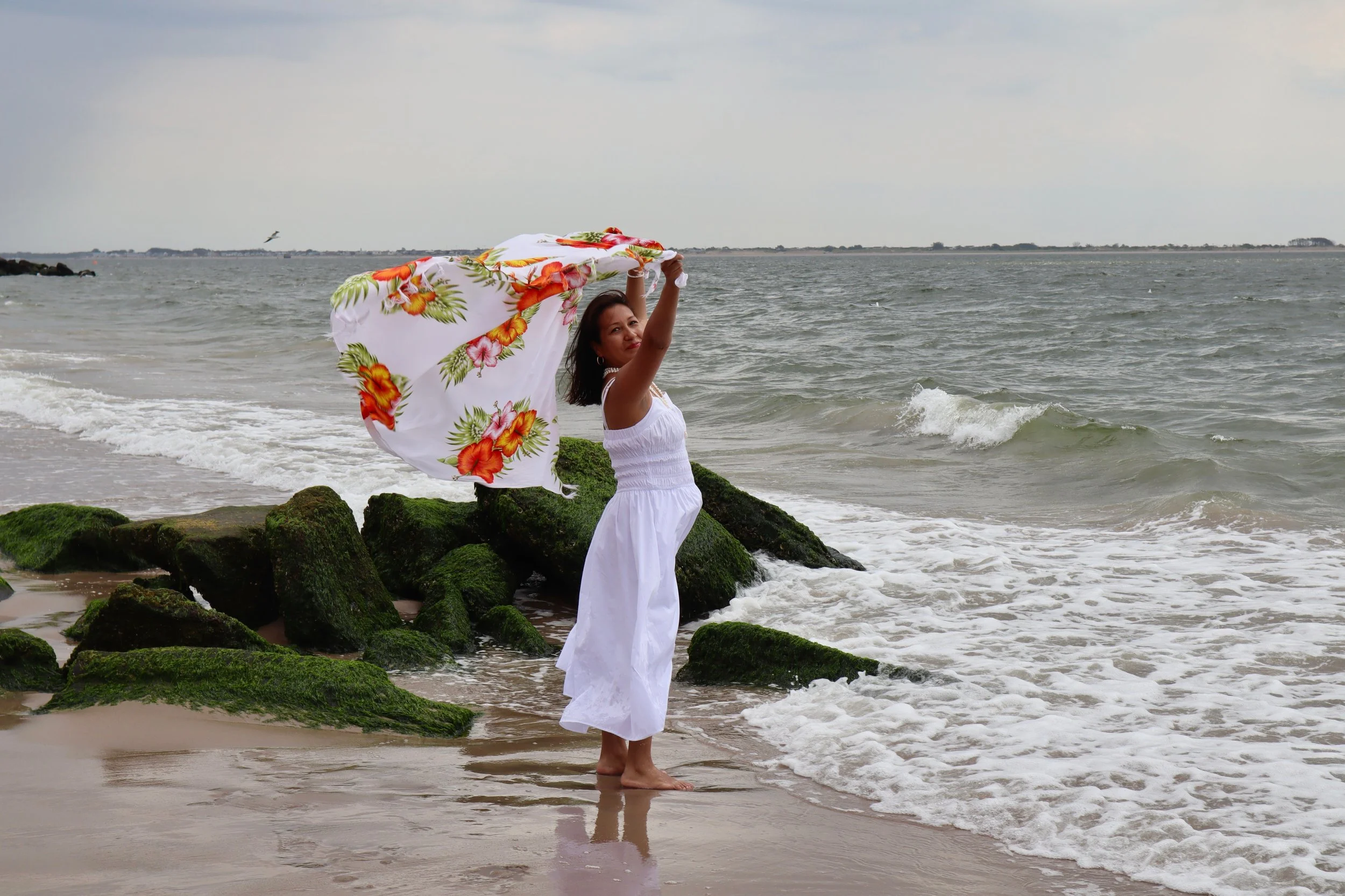
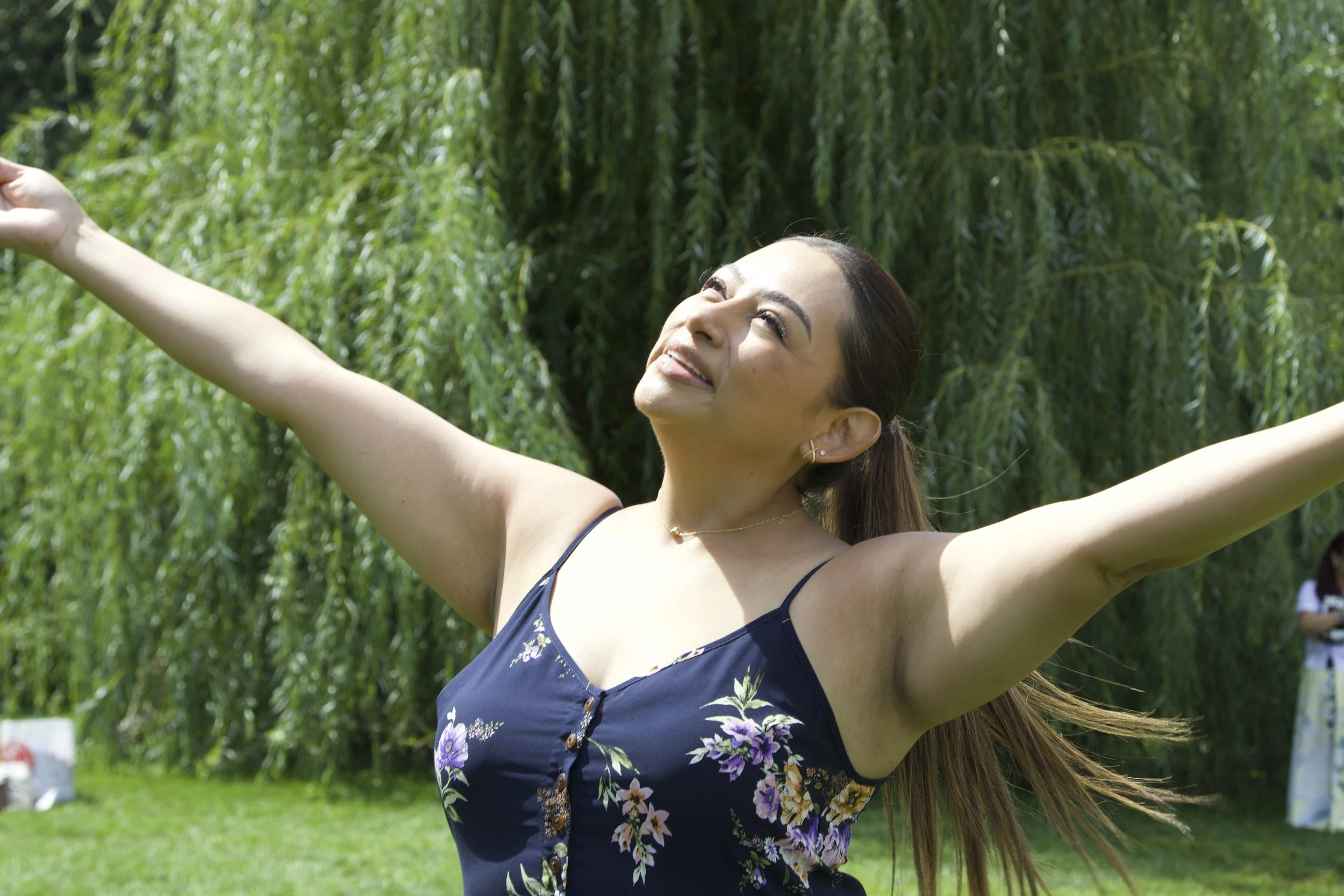
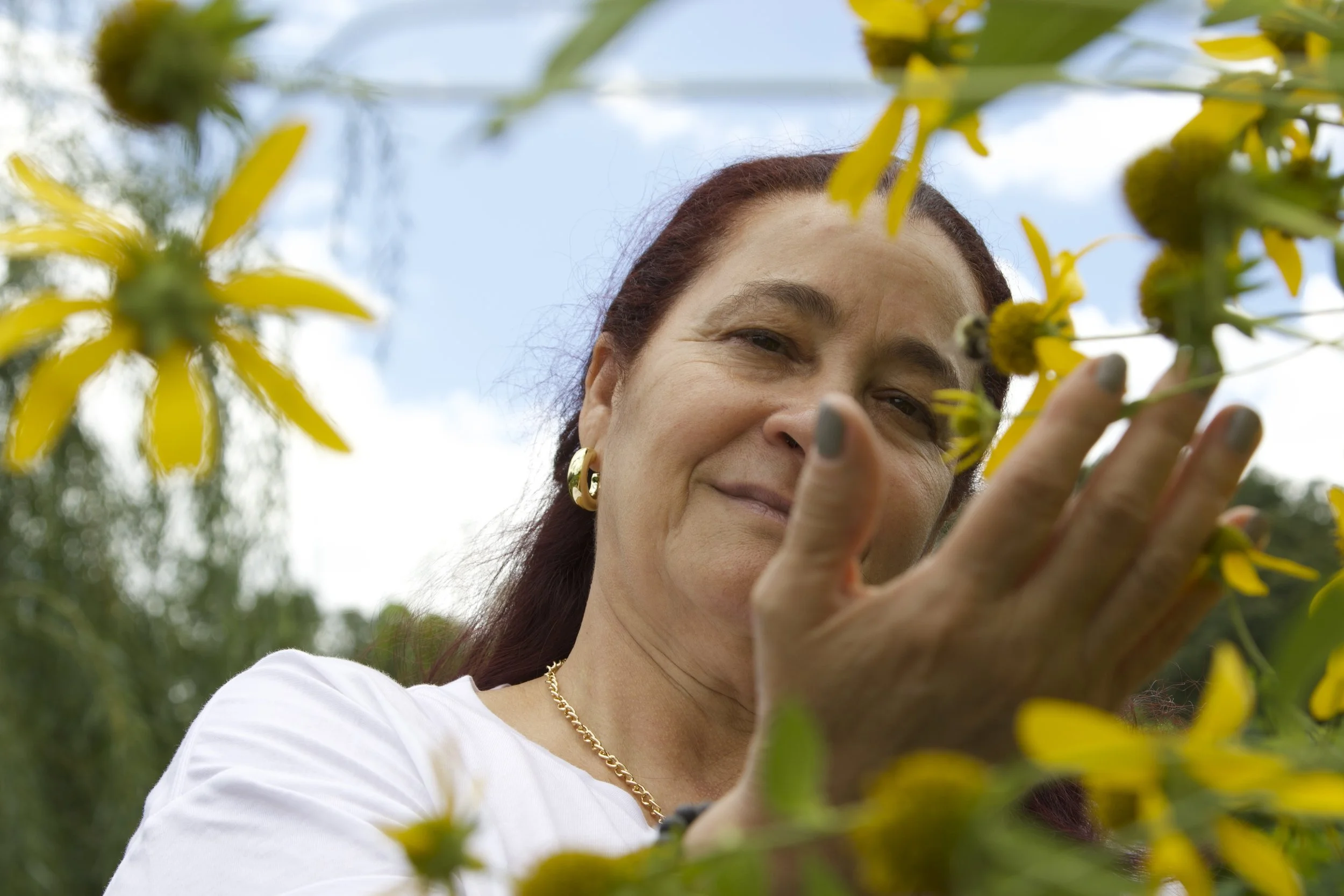
MARIBEL - The phoenix (Excerpt)
I had to put the pieces back together.
Slowly.
One stitch at a time.
I kept what I loved close.
I gave what I could.
A piece of bread.
A smile.
A little love.
My children gave me strength.