
Ballet Reimagined
“Ballet as a language and art form is ethereal and powerful; as a practice, it can be violent and discriminatory.”
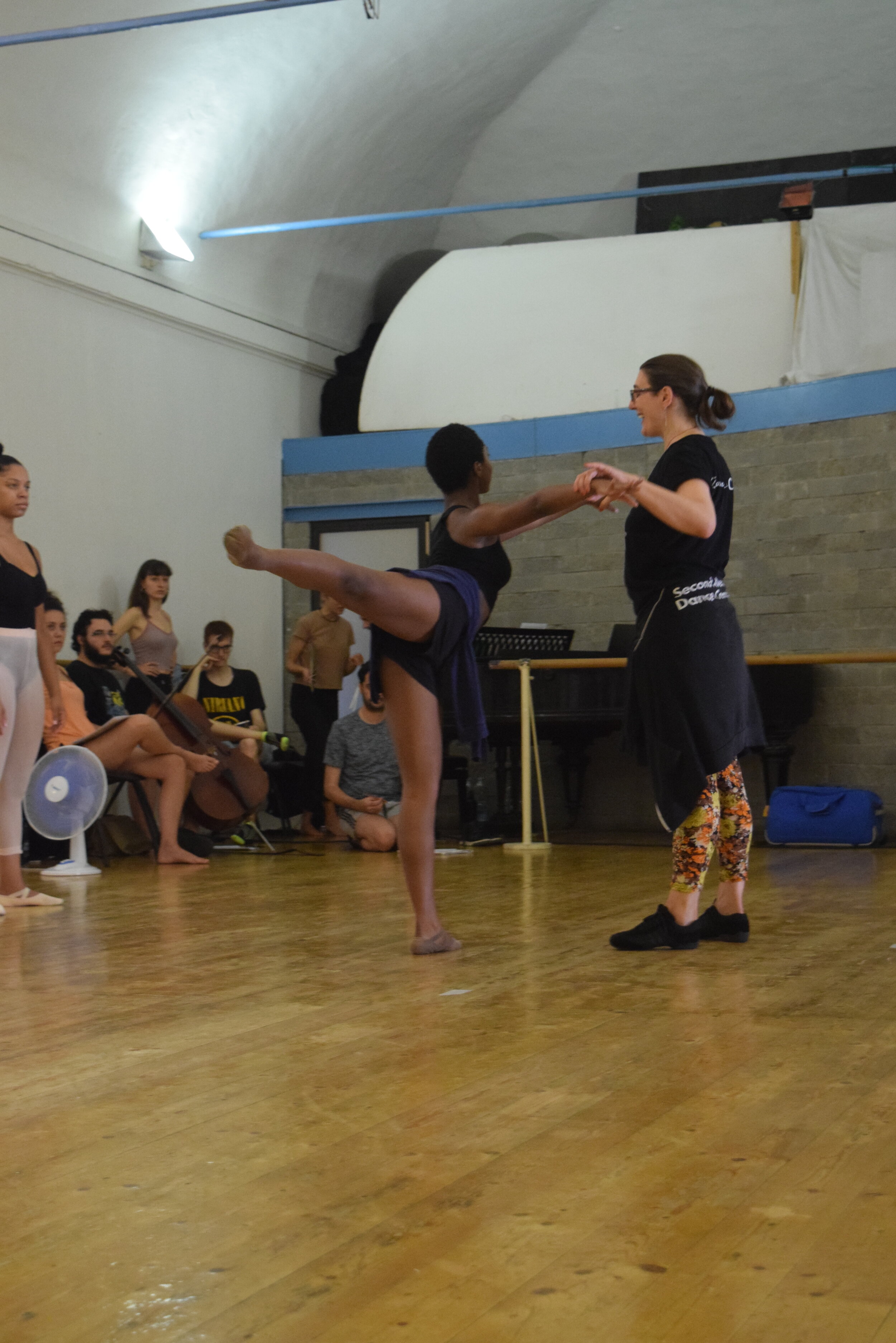
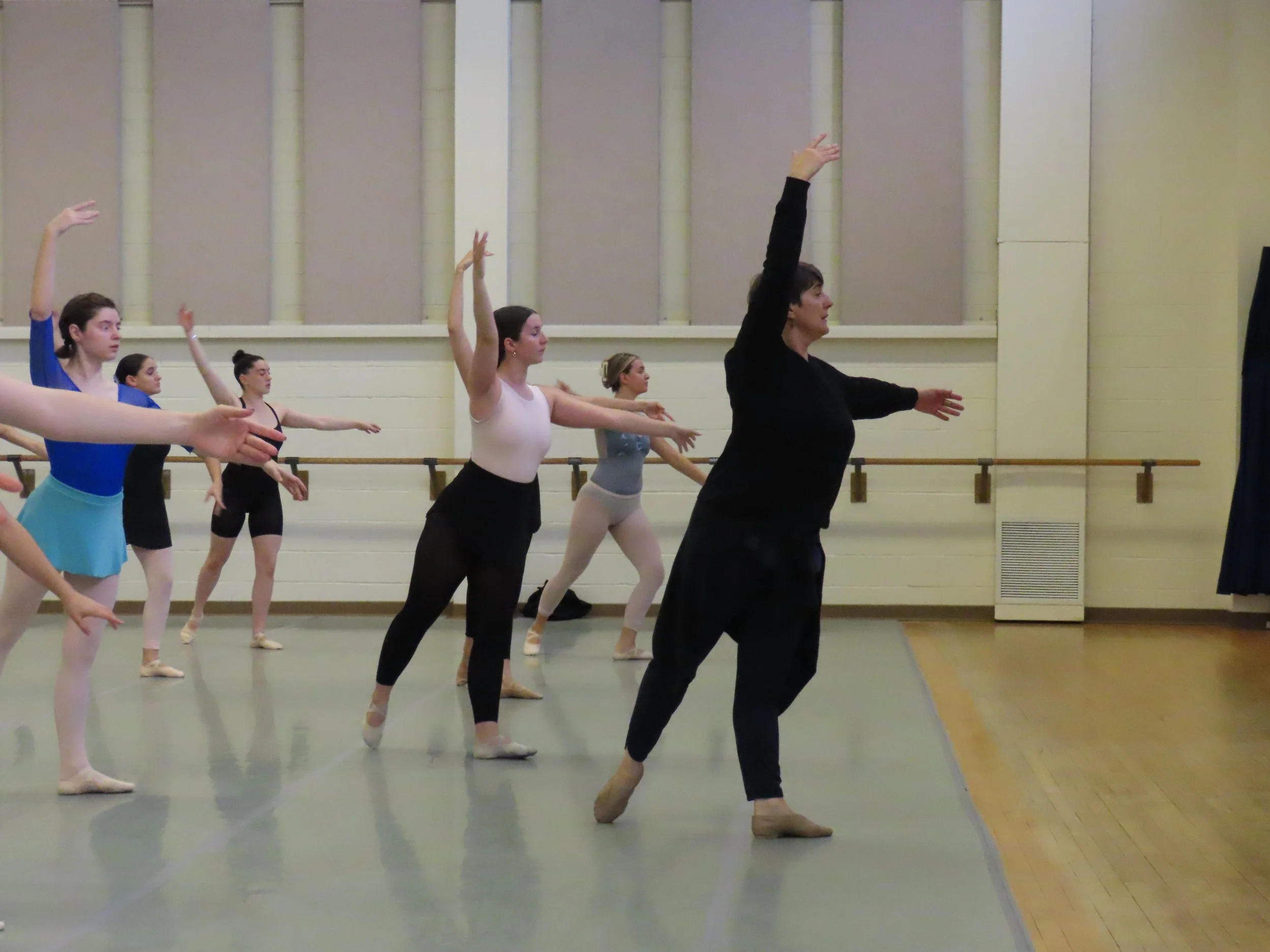
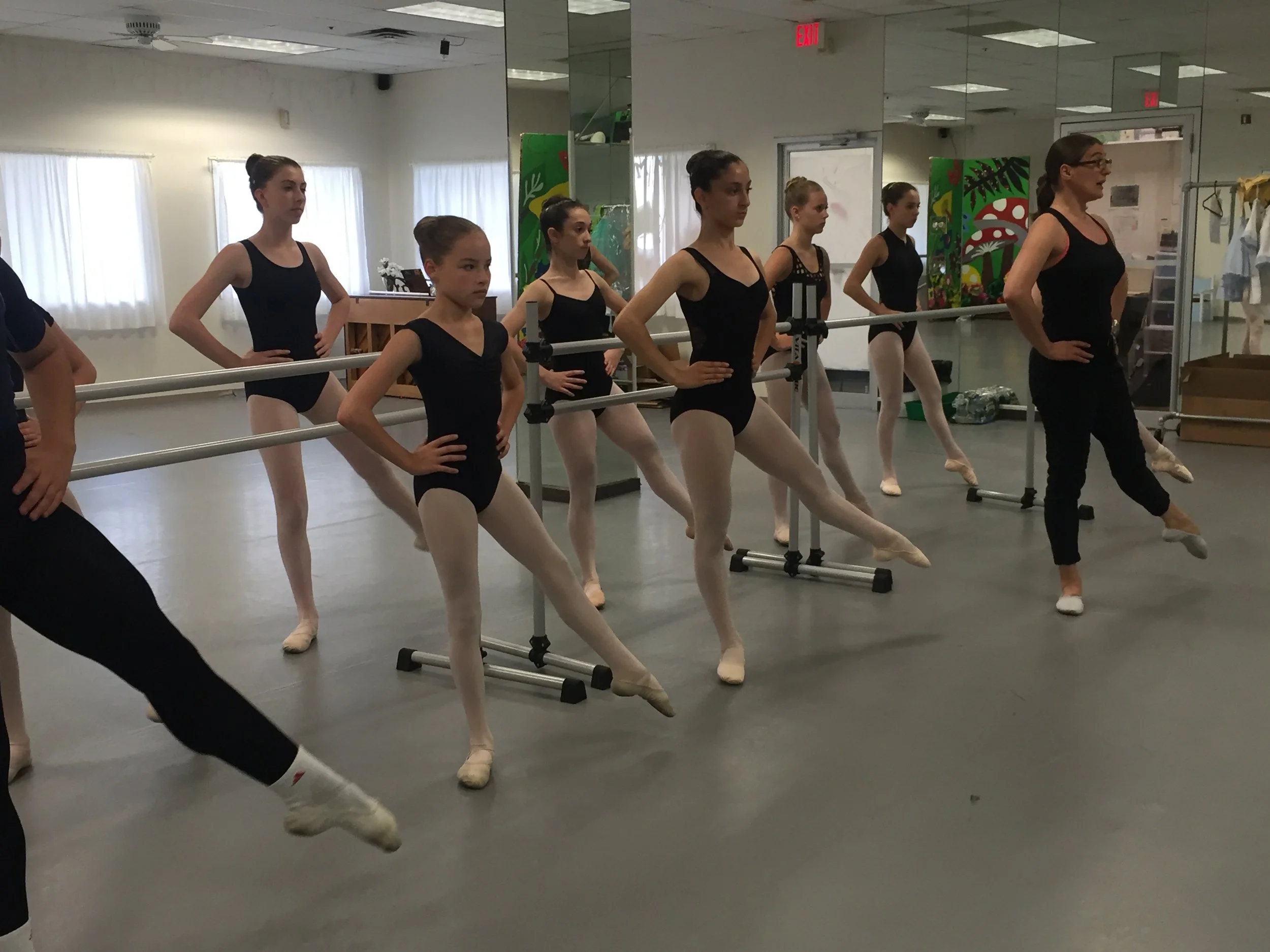
For more than thirty years, Giada Matteini has developed an evolving approach to classical dance pedagogy that questions ballet’s traditions of perfection, exclusion, and hierarchy while opening the form to a wider diversity of bodies, identities, and ways of moving.
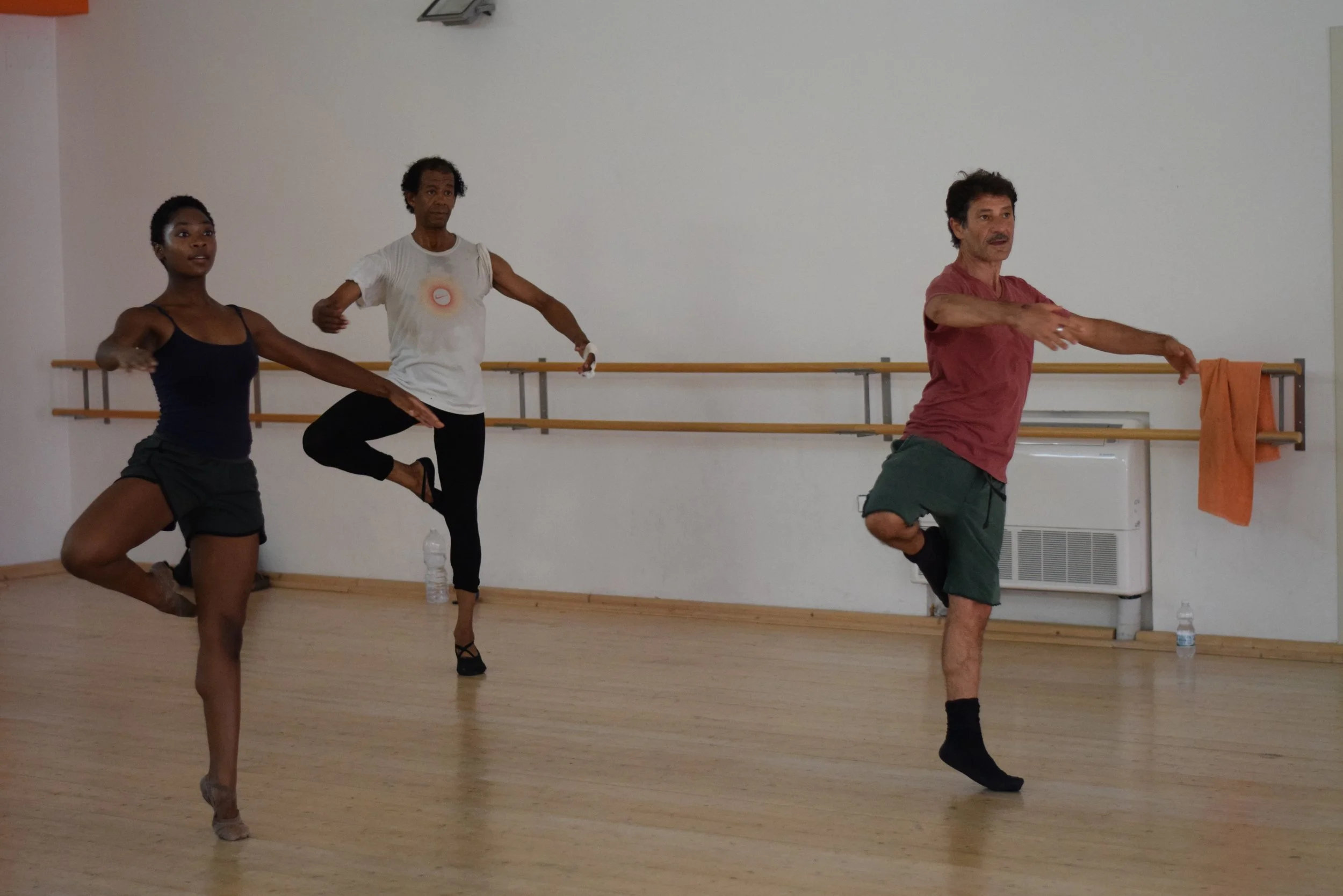
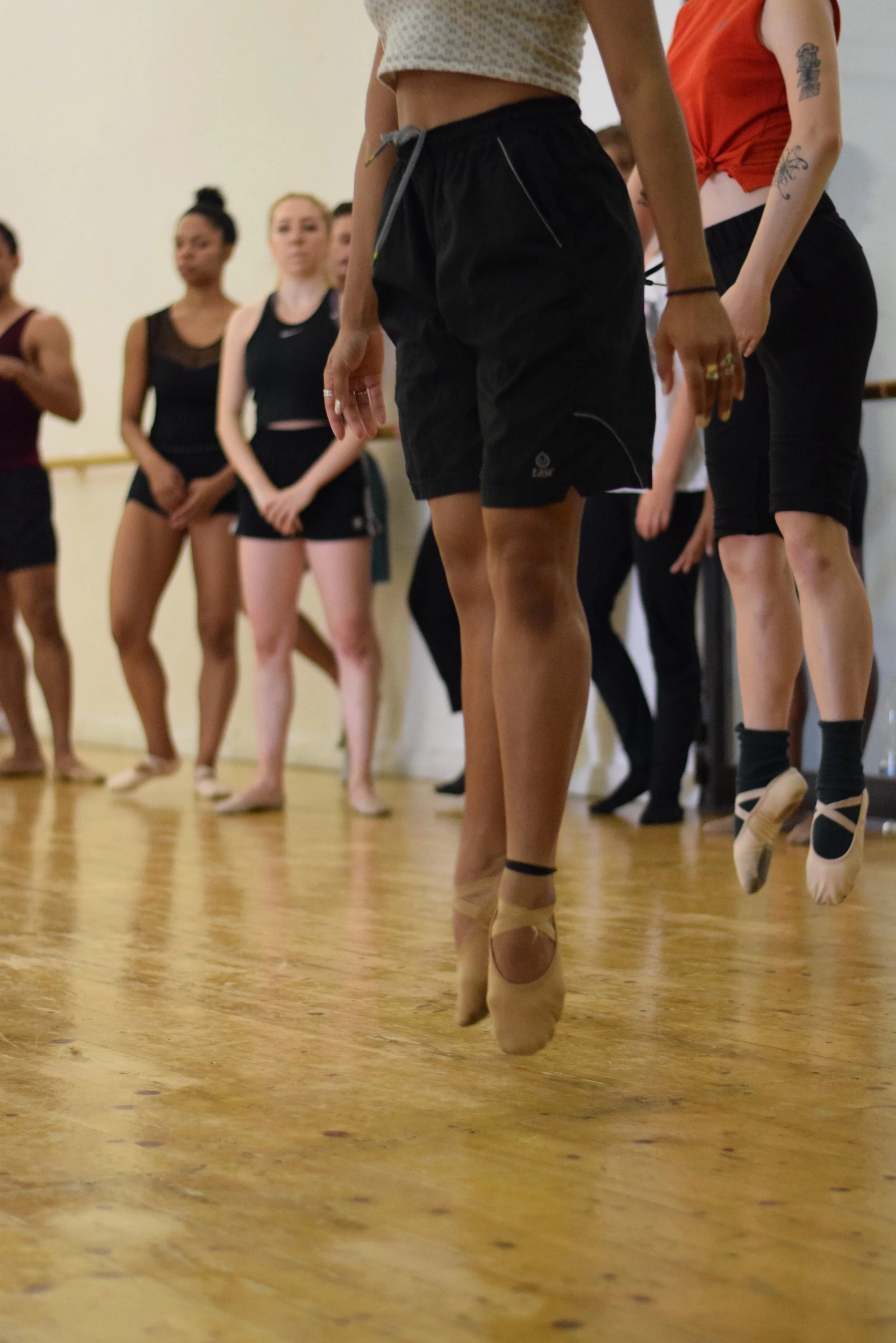
Her practice challenges the idea of ballet as an elitist art form and invites dancers to discover the intelligence, complexity, and individuality of their own bodies within the ballet vocabulary. Rather than asking the body to conform to an ideal, the work explores how ballet can respond to the bodies, experiences, and identities that inhabit it.
This research is informed by Matteini’s experiences as a dancer and educator and by an interdisciplinary study of somatic practices, Rudolf Laban’s theories of space and harmony, Bartenieff body integration, experiential anatomy, imagery, music, critical race theory, and non-violent philosophies.
At the heart of the practice is a belief in presence, curiosity, trust, and joy. By unpacking ballet’s cultural construction and questioning its inherited rules, dancers are encouraged to find new possibilities within the form—while creating space for greater collaboration, gender fluidity, diversity, and creative freedom.
Ballet becomes not a measure of who belongs, but a language through which every body can discover its own possibilities.
-
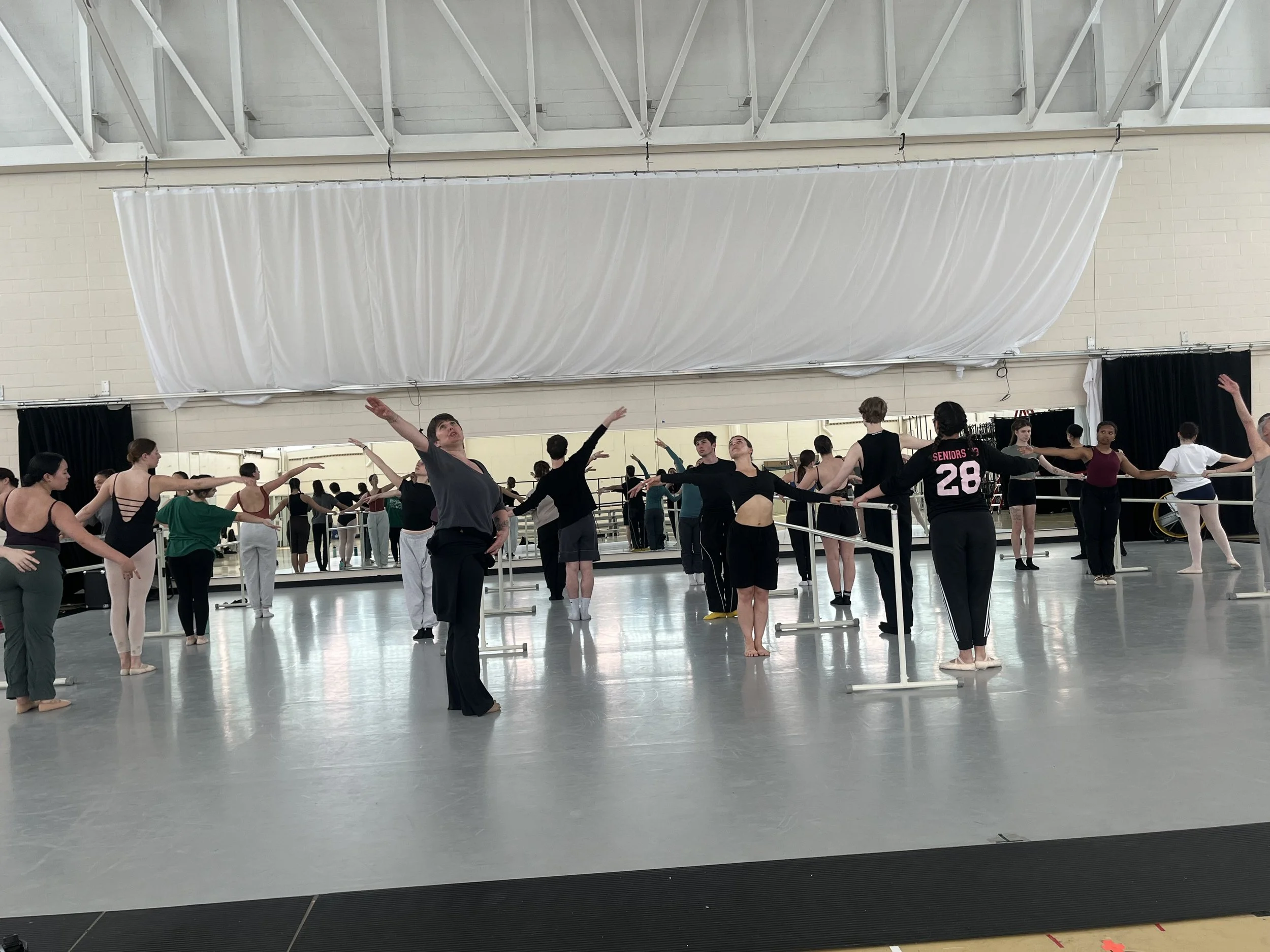
Ballet Reimagined brings together classical ballet vocabulary with somatic awareness, creative exploration, and a deep curiosity about the individual body. Rather than treating ballet as a fixed system that dancers must conform to, the practice uses its structure as a starting point for discovery—inviting each dancer to find their own relationship to the form.
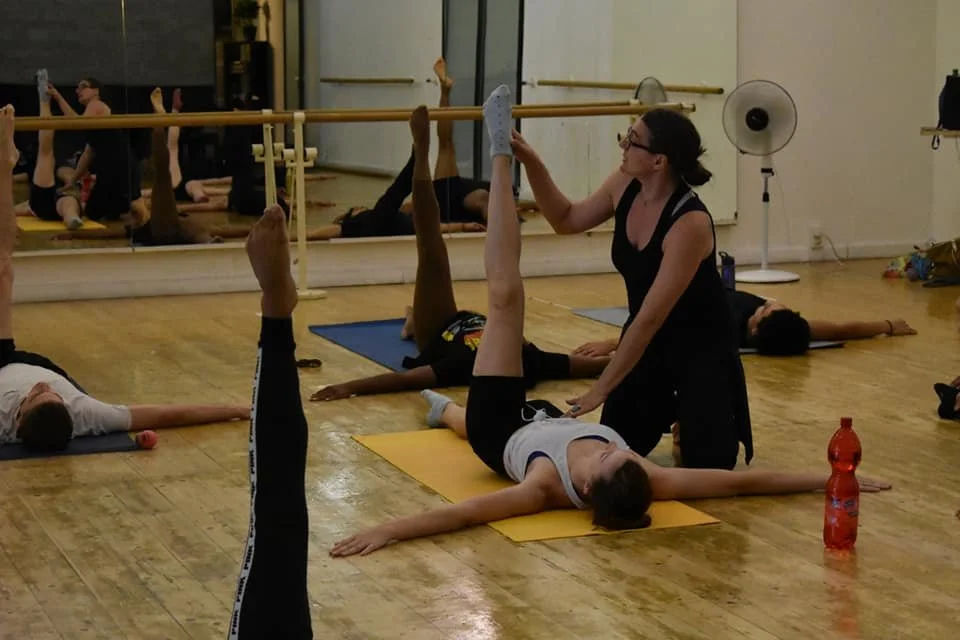
The practice begins with somatic awareness: listening to breath, weight, sensation, alignment, effort, and internal experience. Through experiential anatomy, dancers develop an understanding of how bones, joints, muscles, and breath support movement, allowing anatomical knowledge to become something felt rather than simply understood intellectually.
Within the structure of classical ballet vocabulary, dancers are encouraged to explore rather than reproduce. Improvisation and imagery open pathways into movement that may not be immediately accessible through technical instruction alone, while music exploration encourages dancers to experience rhythm, phrasing, silence, texture, and musicality as active elements of their movement practice.
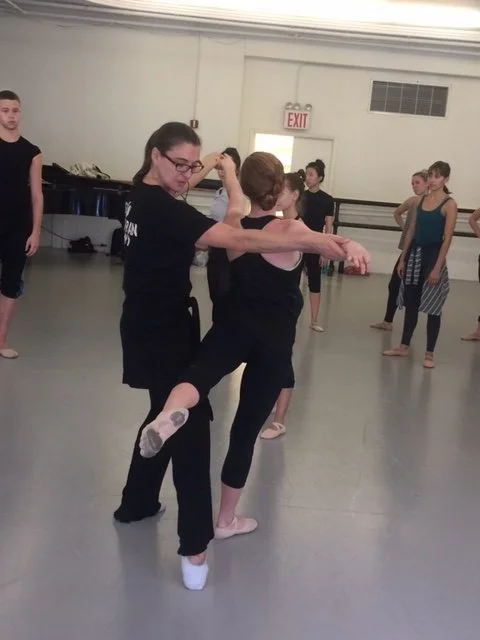
Spatial awareness expands this exploration beyond the individual body, encouraging dancers to understand their relationship to space, direction, rhythm, and the bodies around them. Through partnering and collaboration, movement becomes a practice of listening, communication, trust, and responsiveness.
At the center of the practice is the belief that there is no single body that ballet should be designed for. Dancers of different bodies, abilities, identities, and levels of experience are invited to enter the vocabulary from their own point of departure. Individual exploration is encouraged within a shared classical structure, creating space for difference without abandoning rigor.
Ballet Reimagined asks not how a dancer can make their body fit ballet, but how ballet can expand to meet the body. It is a practice grounded in curiosity, agency, presence, and joy—using the discipline of ballet as a foundation for greater freedom, creativity, and connection.
-
At the heart of Ballet Reimagined is a belief that dance begins with the lived experience of the body. The practice places embodiment at the center, inviting dancers to develop an awareness of sensation, breath, weight, space, and movement, and to experience technique from within rather than conforming to an external ideal.
This approach is grounded in inclusion—the understanding that there is no single body, identity, or way of moving that defines who belongs in ballet. Every dancer brings a unique history, physicality, culture, and experience into the studio. Rather than asking dancers to fit an established ideal, the practice asks how the form can expand to accommodate and celebrate difference.
Agency is equally essential. Dancers are encouraged to listen to their bodies, make choices, question assumptions, and develop ownership of their movement. Within the discipline and structure of ballet, there is room for individuality, interpretation, and personal discovery.
Ballet Reimagined also challenges traditional assumptions about gender and movement. By embracing gender fluidity, the practice opens possibilities beyond prescribed masculine and feminine movement qualities, allowing dancers to explore physical expression according to their own identities, instincts, and imagination.
Curiosity keeps the practice evolving. Dancers are invited to experiment, ask questions, and approach familiar movements from new perspectives. This spirit of inquiry creates space for joy—the pleasure of discovery, connection, creativity, and being fully present in the body.
Ultimately, collaboration brings these principles together. Dance becomes a shared process of listening, responding, and learning from one another. Through collaboration, individual voices contribute to a larger creative environment in which difference is not something to overcome, but something that expands what is possible.
Ballet Reimagined is therefore not about abandoning tradition, but about opening it—making space for more bodies, more identities, more voices, and more possibilities within the language of ballet.
-
Description text goes here
-
-
Item description
-
The principles of Ballet Reimagined extend beyond dance training to shape how WADE creates, develops, and curates artistic work. The practice encourages us to question inherited structures, remain curious about what is possible, and place the lived experience of the body at the center of the creative process.
In creation, WADE approaches choreography as an evolving process rather than a fixed form. Somatic awareness, improvisation, ballet vocabulary, experiential anatomy, imagery, music, and spatial exploration become tools for discovering movement and meaning. Artists are encouraged to bring their individual bodies, identities, histories, and perspectives into the work, allowing choreography to emerge through dialogue between structure and intuition, technique and lived experience.
This approach also shapes how WADE curates. We seek artists and works that expand conventional ideas of dance and performance and create space for diverse bodies, voices, disciplines, and perspectives. We are particularly interested in practices that question cultural assumptions, engage with social experience, and invite audiences into deeper forms of reflection and connection.
For WADE, creation and curation are therefore connected practices. Both are acts of listening, questioning, and making space—for artists to explore their full creative potential and for audiences to encounter ideas, bodies, and stories that might otherwise remain unseen.
Through this approach, WADE uses artistic practice not only to create performances, but to reimagine who gets to create, whose experiences are represented, and what becomes possible when the boundaries of an art form are opened.
-
1988–1994 | Florence, Italy
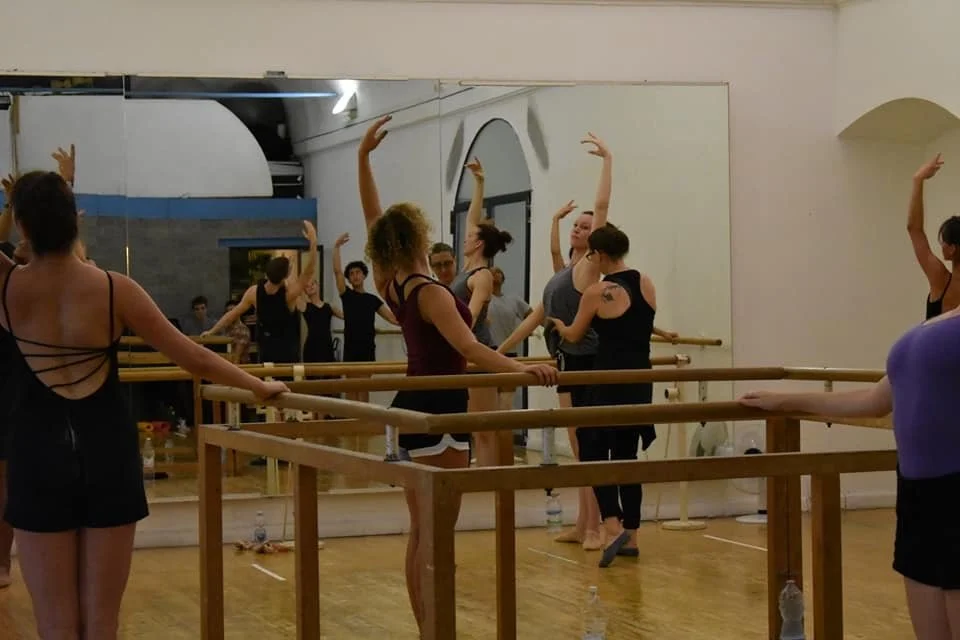
Florence Dance Center — Dance Instructor
Began teaching creative movement and ballet, establishing an early foundation in dance pedagogy and an interest in how movement can support individual expression and development.
1996–2008 | New York, NY
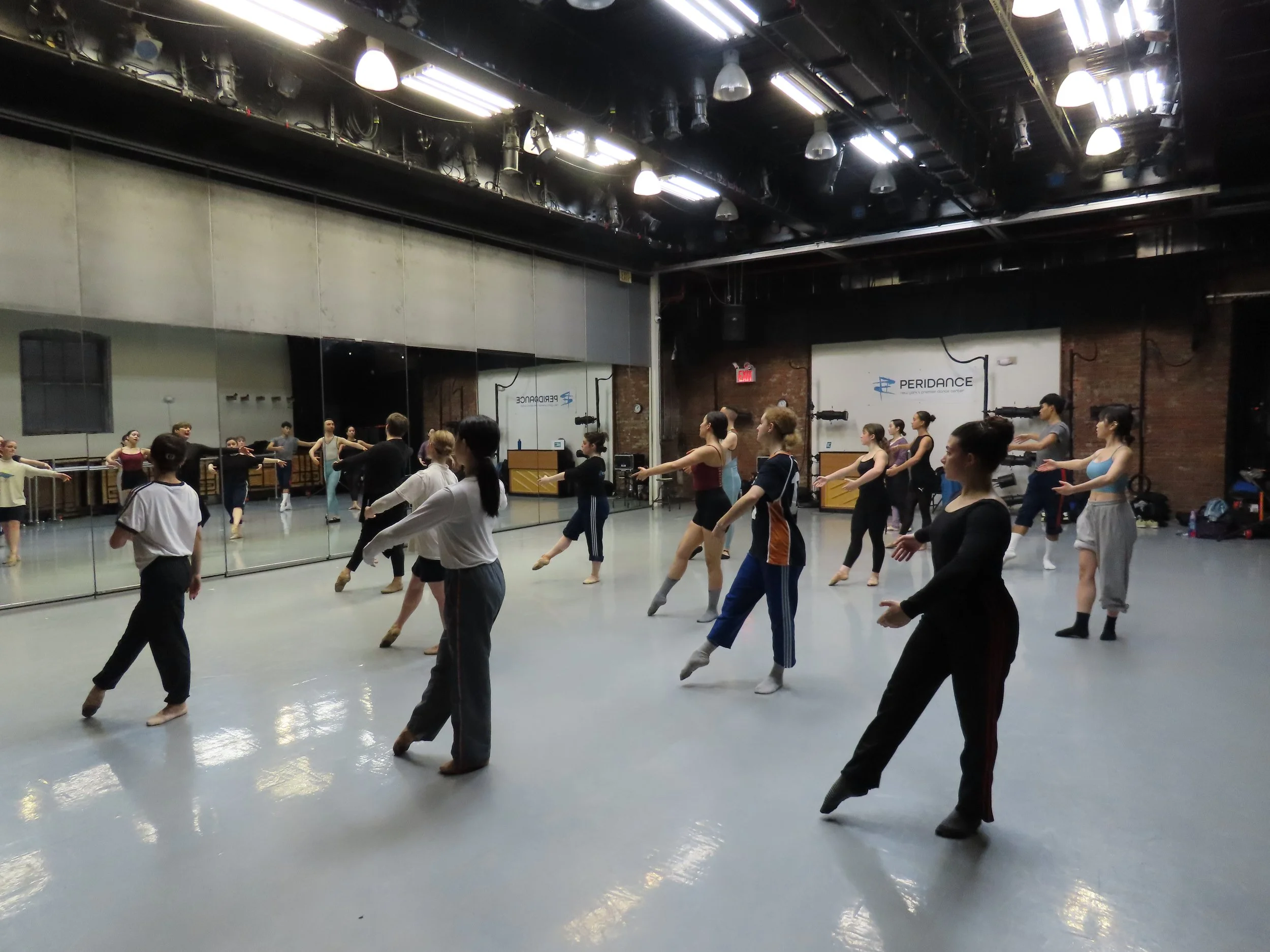
Peridance Center — Dance Instructor
Developed and taught ballet and pointe curricula for pre-professional dancers ages 8–18, while choreographing for student companies and productions. Also taught adult open classes and choreographic workshops.
2000–2004 | Scarsdale, NY
Central Park Dance — Dance Instructor
Expanded teaching practice to include ballet, contemporary dance, composition, and choreography for teenagers and adults.
2006–2013 | New York / Long Island
NYU Tisch School of the Arts & Hofstra University — Adjunct Faculty
Taught ballet, classical partnering, and pointe while developing curricula, assessment systems, and examinations. Choreographed for university productions and worked with students across different levels of training.
2008–2013, 2021 | New York, NY
Gibney Dance Center — Dance Instructor
Developed and taught a self-produced ballet open class, managing curriculum, musicians, administration, and outreach. Continued the practice in 2021.
2008–Present | International Guest Teaching & Intensive Programs
Teaching and curriculum development expanded internationally through guest teaching and intensive programs in Sweden, Austria, Italy, Spain, Germany, and China.
At Dance Hub, developed and directed international dance and music intensives, creating curricula that combined ballet, pre-technique, choreography, Italian language, energy work, and music. Managed faculty, budgets, auditions, student recruitment, travel, and program logistics.
2013–Present | New York, NY
NYU Tisch School of the Arts — Associate Arts Professor & Academic Director
A major period of continued pedagogical research and institutional leadership. Teaches ballet, somatics, and TDW courses; directs company class and student choreography; mentors emerging choreographers; and lectures in ballet pedagogy.
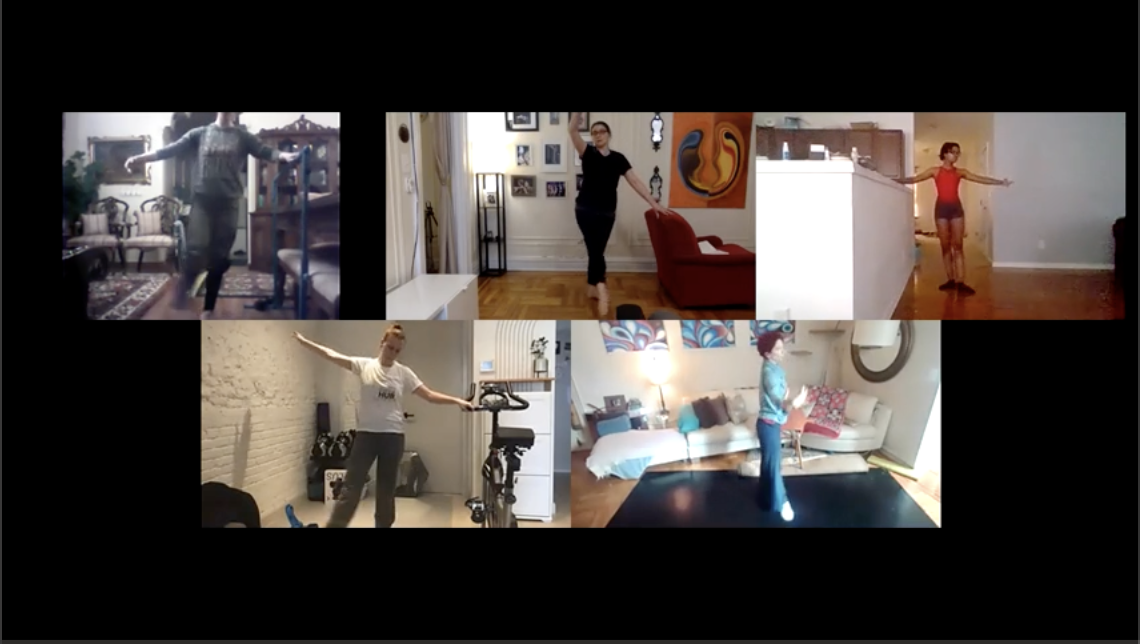
As Academic Director, advises students and contributes to curriculum development, recruitment, faculty coordination, and the Summer Dance Festival. The work also includes adapting dance education to online and hybrid environments during COVID-19 while maintaining student support and engagement.
2015–2017 | International Teaching & Pedagogical Research
Central Academy of Drama, Beijing
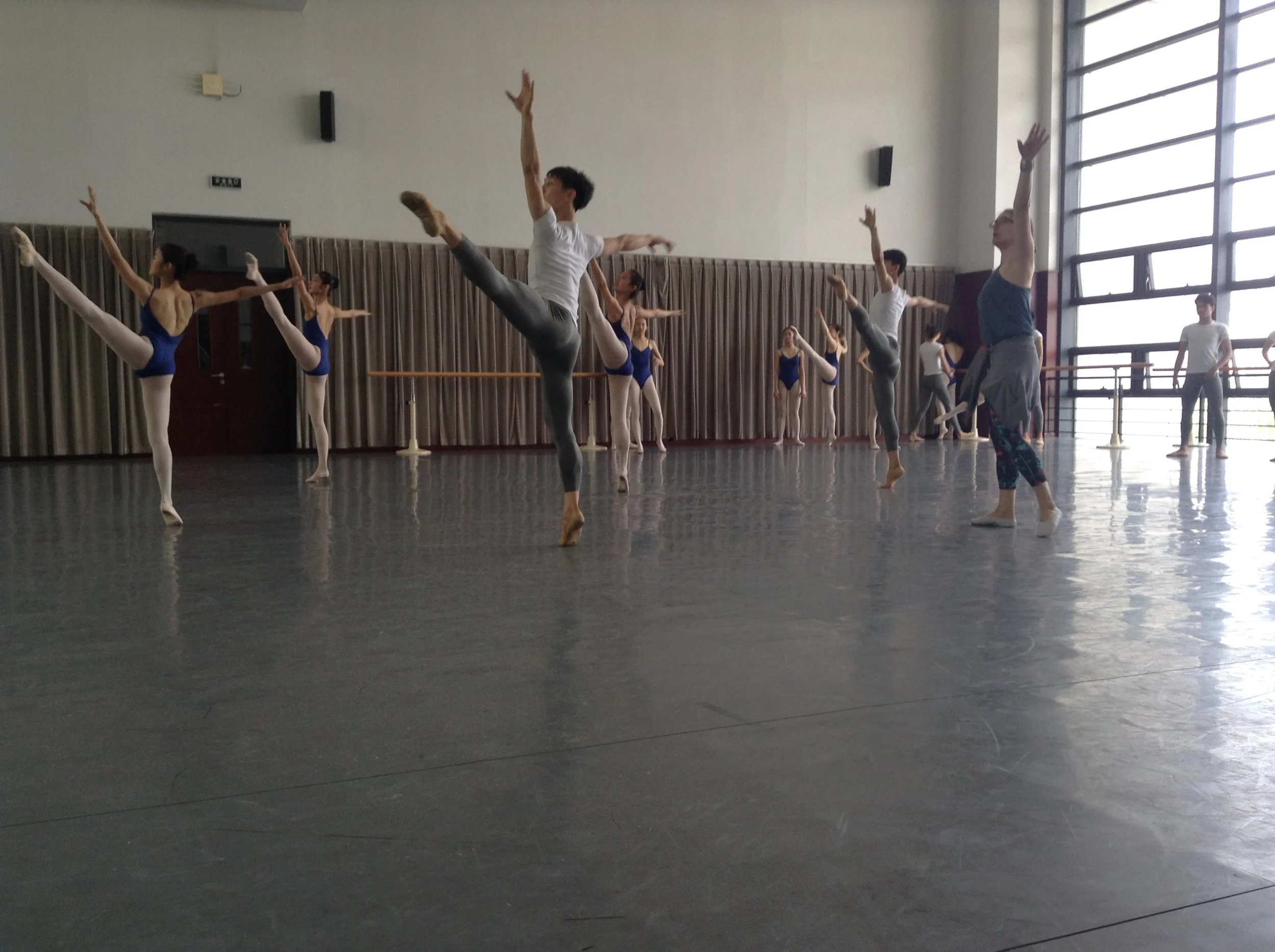
Guest artist teaching ballet and ballet pedagogy.Tisch Dance Berlin Program
Ballet instructor for second-year NYU students studying in Berlin.These international teaching experiences continued the investigation of how ballet vocabulary and pedagogy can be adapted across cultural and educational contexts.
2018–2019 | New Jersey
The Conservatory of the Performing Arts — Dance Instructor
Expanded teaching into contemporary dance, composition, and choreography, further integrating classical ballet with broader approaches to movement creation.
2019–Present | New York, NY
Limón Dance Company — Dance Instructor
Teaches ballet to the professional company and Professional Study Program, continuing research into the relationship between classical technique, contemporary practice, and the professional dancer.
Curriculum Development & Community-Based Research
2024–Present
Movement Practice for Domestic Violence Survivors
A community-based educational program developed through collaboration with Rompi il Silenzio in Rimini, Italy, and with training and guidance from the National Center on Domestic Violence, Trauma & Mental Health in the United States.
The program explores movement, sound, somatic awareness, and creative practice as tools for supporting survivors of domestic violence. The curriculum is grounded in culturally resonant, trauma-informed, person-centered, and survivor-defined approaches, with joy, compassion, agency, and collective care at its center.
Created, curated, and directed by Giada Matteini
Co-created with the National Center on Domestic Violence, Trauma & Mental Health
Co-curated by Ai Isshiki
Produced by WADE Dance Inc. and Rompi il Silenzio2024–Present
LGBTQIA+ Community Engagement
A community-based artistic and professional development initiative created by WADE following listening sessions with LGBTQIA+ artists.
The project responds to the need for greater access to rehearsal space, production opportunities, professional support, and resources for underrepresented and historically marginalized artists. The program connects artistic creation with community engagement, providing artists with the infrastructure and support to develop work that speaks to the communities important to them.
Created, curated, and directed by Giada Matteini
Co-curated by Donald C. Shorter
Produced by WADE Dance Inc. and NYU Tisch School of the ArtsA Continuing Research Practice
Across more than 35 years of teaching, curriculum development, choreography, and international artistic practice, Giada Matteini’s research has evolved from classical ballet pedagogy toward a broader investigation of embodiment, somatic awareness, individual agency, inclusivity, gender fluidity, and the relationship between movement and lived experience.
Her work questions the traditional hierarchies and ideals embedded in ballet while maintaining the rigor and richness of its vocabulary. Through teaching, choreography, community engagement, and interdisciplinary collaboration, she continues to explore how movement practices can become more responsive, inclusive, embodied, and transformative.
This ongoing research forms the foundation of Ballet Reimagined and informs WADE’s broader artistic, educational, and community-based work. description
-
include 2-4 testimonials
-
Item description
“I think it was important that I learned to love to dance eventually for its own sake, as opposed to wanting to be a ballerina.”
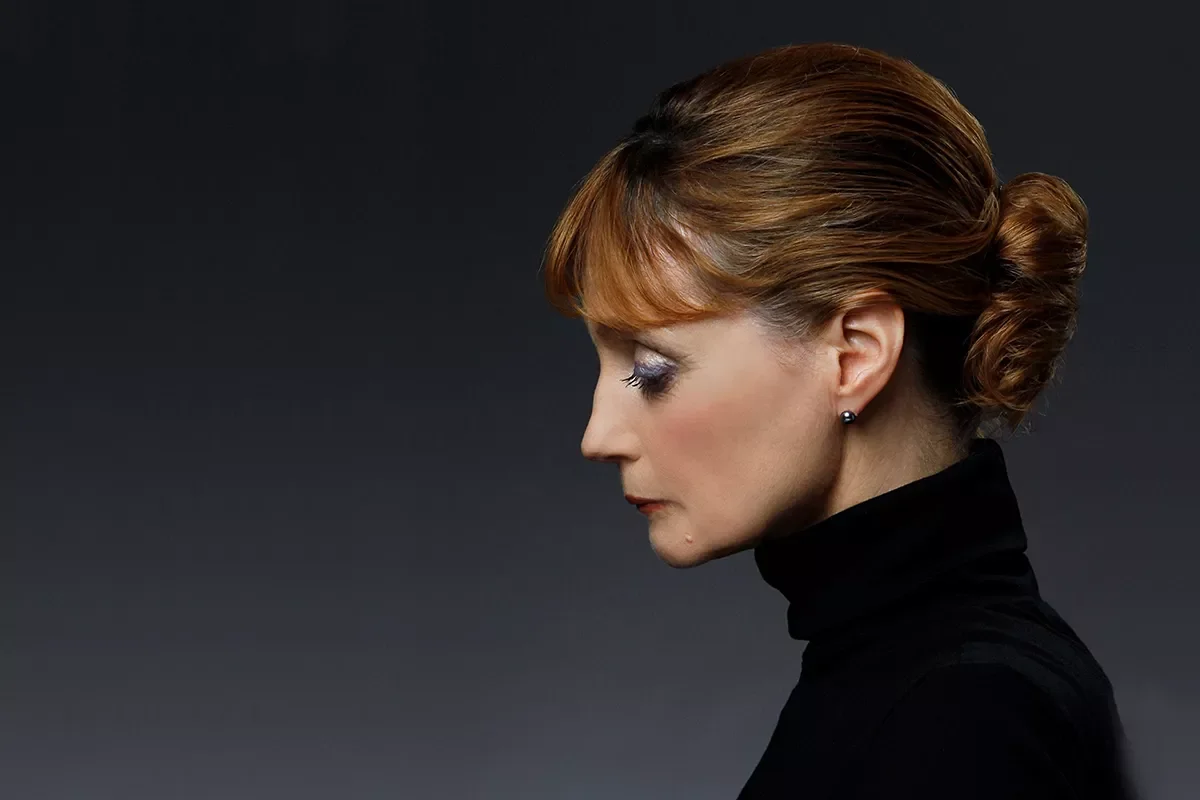
— Suzanne Farrell
Former American ballerina
Founder, The Suzanne Farrell Ballet