
Work with Survivors of Domestic Violence
Movement Practice for Domestic Violence Survivors is a community-based educational program that uses movement, sound, and somatic practice to support survivors in reconnecting with their bodies, voices, and sense of agency.
The program responds in “culturally resonant, trauma-informed, person-centered, and survivor-defined ways”(Module 1, NCDVTMH). It was developed in collaboration with the anti-violence center Rompi il Silenzio in Rimini, Italy, with training and guidance from the National Center on Domestic Violence, Trauma & Mental Health (NCDVTMH) in the United States.
Grounded in a multidisciplinary approach to dance, sound, and somatic practice, the program creates a space where participants can explore movement and creative expression at their own pace. Rather than focusing on performance or physical ability, the practice centers choice, consent, self-awareness, and connection.
Through guided movement, sound, improvisation, and collective exploration, participants are invited to notice how experiences of violence may live in the body and to explore new possibilities for expression, boundaries, connection, and self-reclamation.
The program places particular value on compassion, creativity, joy, and collective care. It recognizes that healing is not linear and that every survivor brings their own history, culture, needs, and relationship to their body.
At its heart, the practice asks:
What becomes possible when survivors are given space to listen to their bodies, move on their own terms, and be witnessed within a supportive community?
The program is not therapy or a replacement for clinical treatment. Rather, it is an educational and creative practice designed to complement existing survivor-centered services and create additional pathways for connection, expression, and agency.

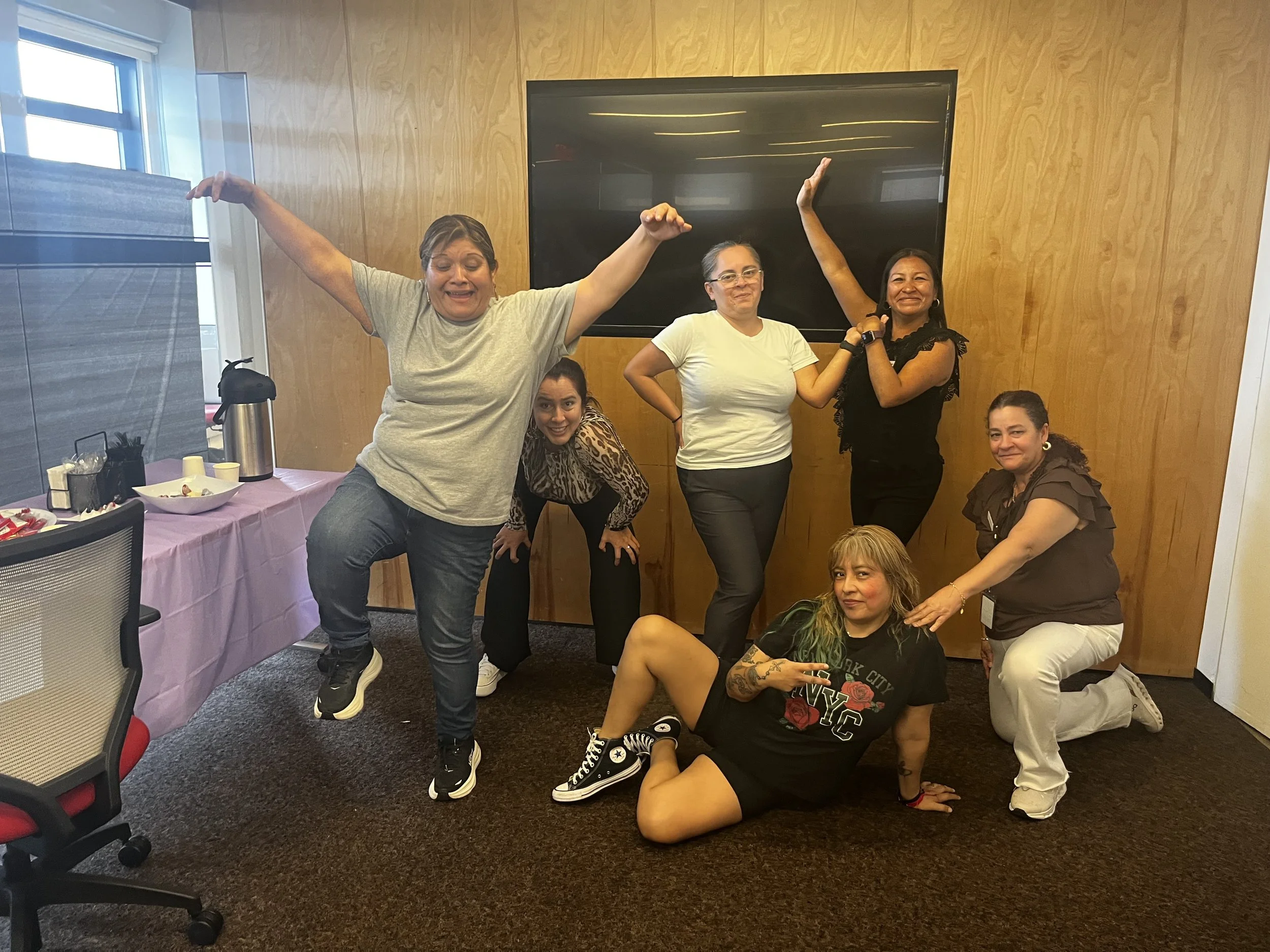
Workshops & Research in Practice
Summer 2025 — Italy
Rimini
Rompi il Silenzio
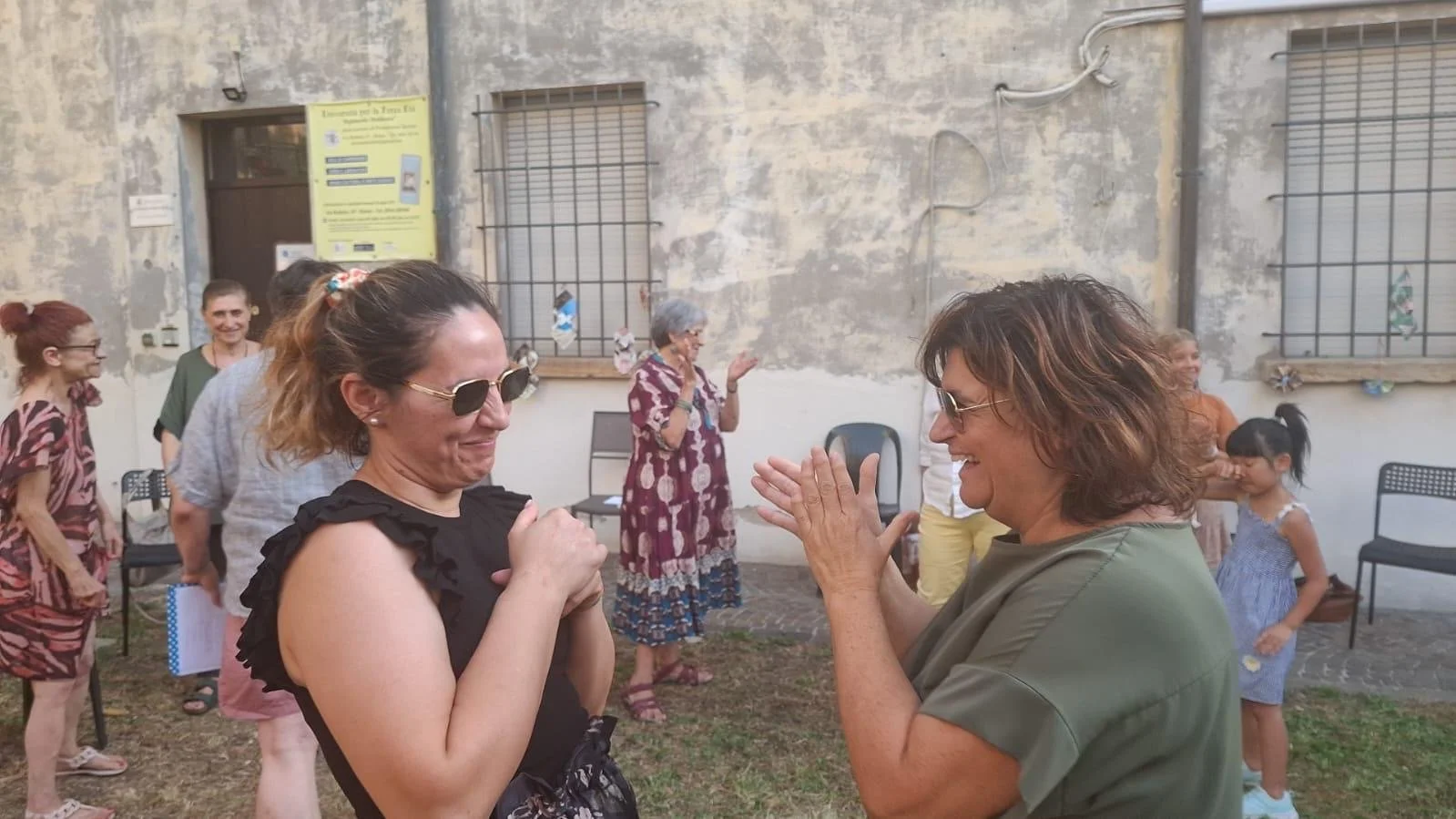
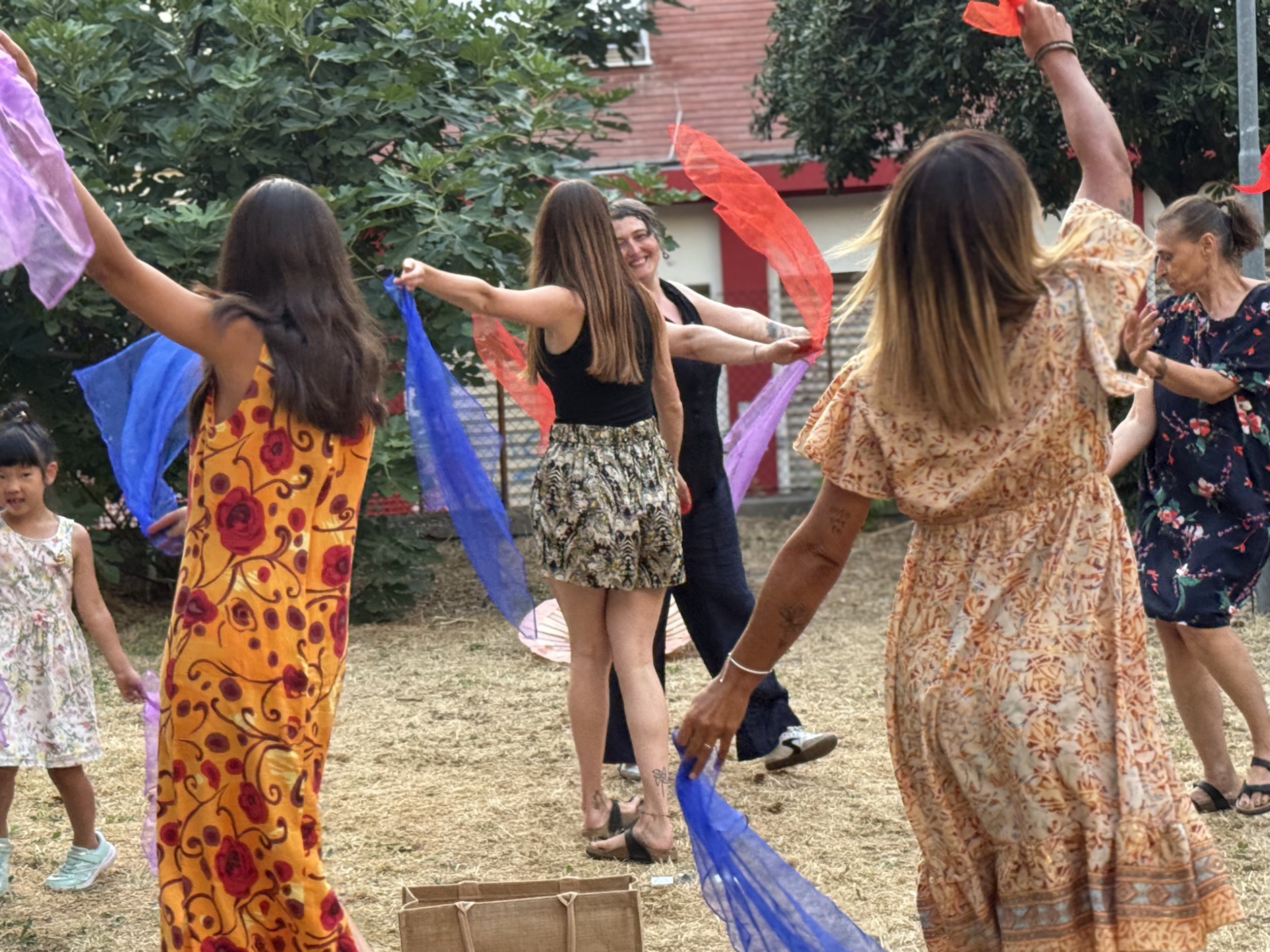
Two workshops with survivors and facilitators exploring embodied approaches to healing and collective expression.
Methods
Movement · Sound · Dialogue · Art
Summer 2026 — Italy
Rimini
Rompi il Silenzio
Two workshops with survivors and facilitators.
Artimino
La Nara
One workshop with facilitators exploring movement and creative approaches to violence prevention and healing.
Prato
La Casa di Riposo Pio Istituto S. Caterina dè Ricci
One workshop with elders exploring memory, embodiment, and creative expression.
Methods
Movement · Sound · Dialogue · Art
Summer 2026 — USA
New York
Body as Witness: From Violence to Voice
A collaborative workshop developed with peer leaders from the Domestic Violence Project. Through movement, dialogue, and storytelling, participants explore how experiences of domestic violence are carried in the body and transformed through creative expression.
Centering the body as both an archive of trauma and a site of survival, the workshop creates space for stories that are often kept hidden to be witnessed, honored, and reimagined. Movement becomes a way to explore memory, resilience, agency, and self-reclamation.
The workshop will culminate in a short film presented at WADE’s October Fridman gallery exhibition, sharing stories of survival and transformation.
Methods
Movement · Storytelling · Dialogue · Choreographic Exploration · Film
Themes
Trauma · Memory · Survival · Resilience · Voice · Agency · Transformation
If you or someone you know is in need of help, please call the National Domestic Violence Hotline at 1-800-799-SAFE (7233).
Support is free, confidential, and available 24/7.
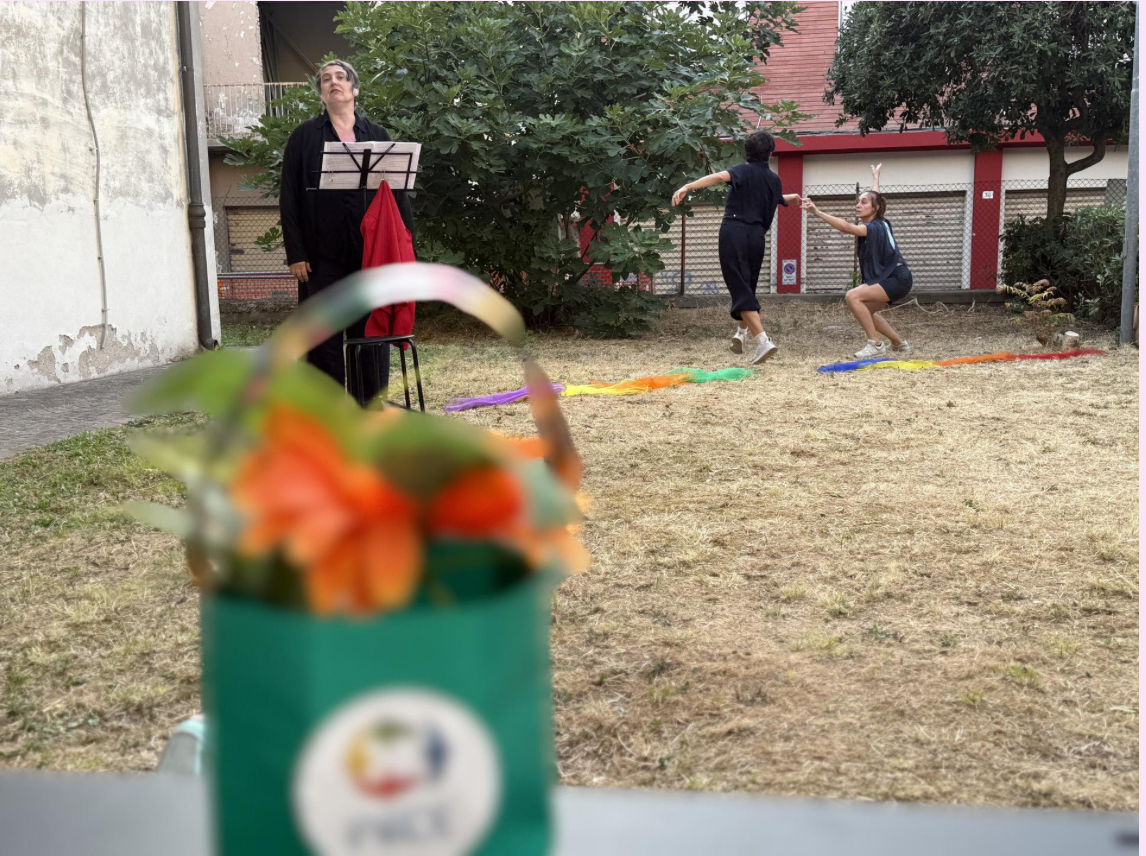
All public presentations are developed with care, consent, and respect for participants’ choices about if and how their experiences are shared.
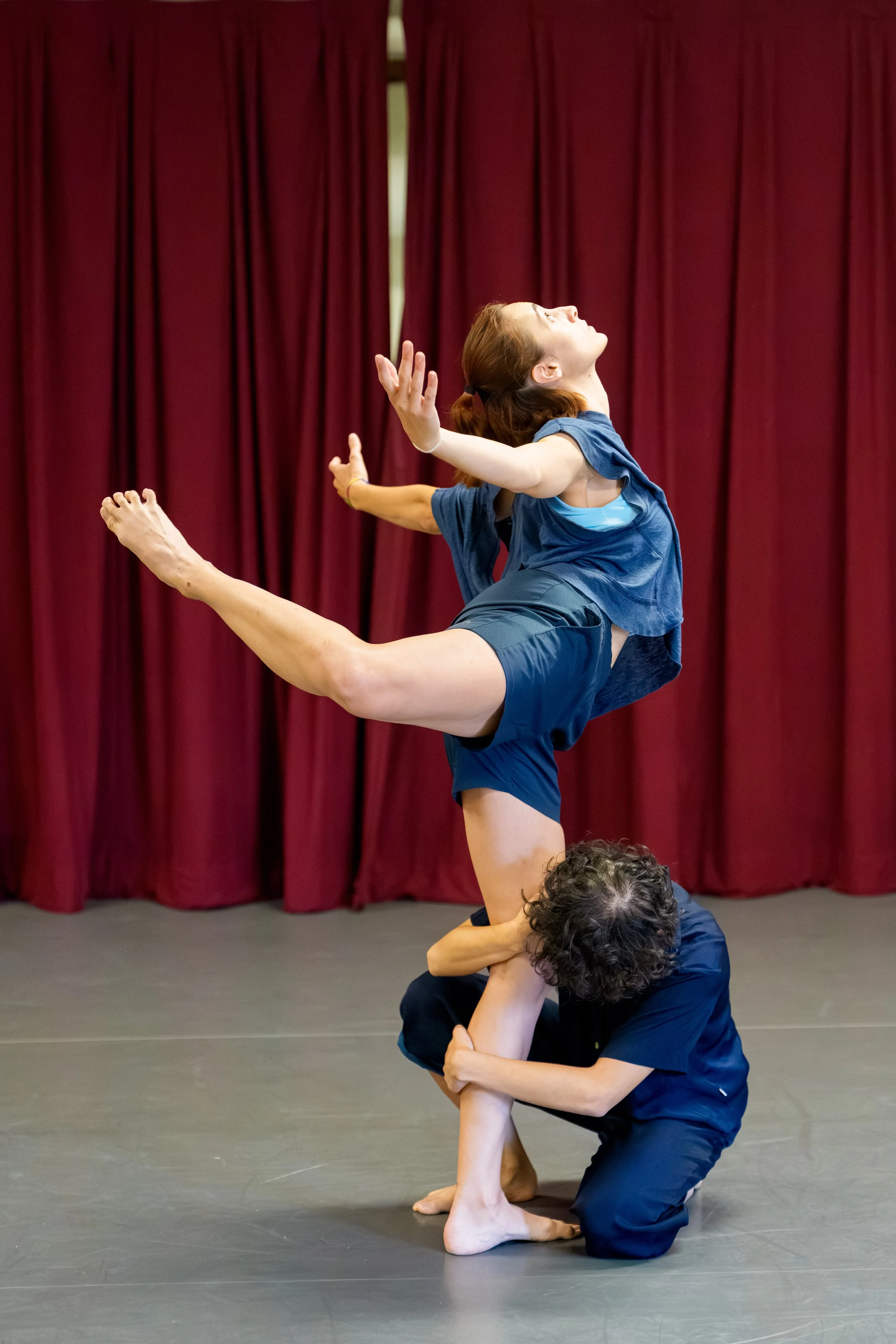
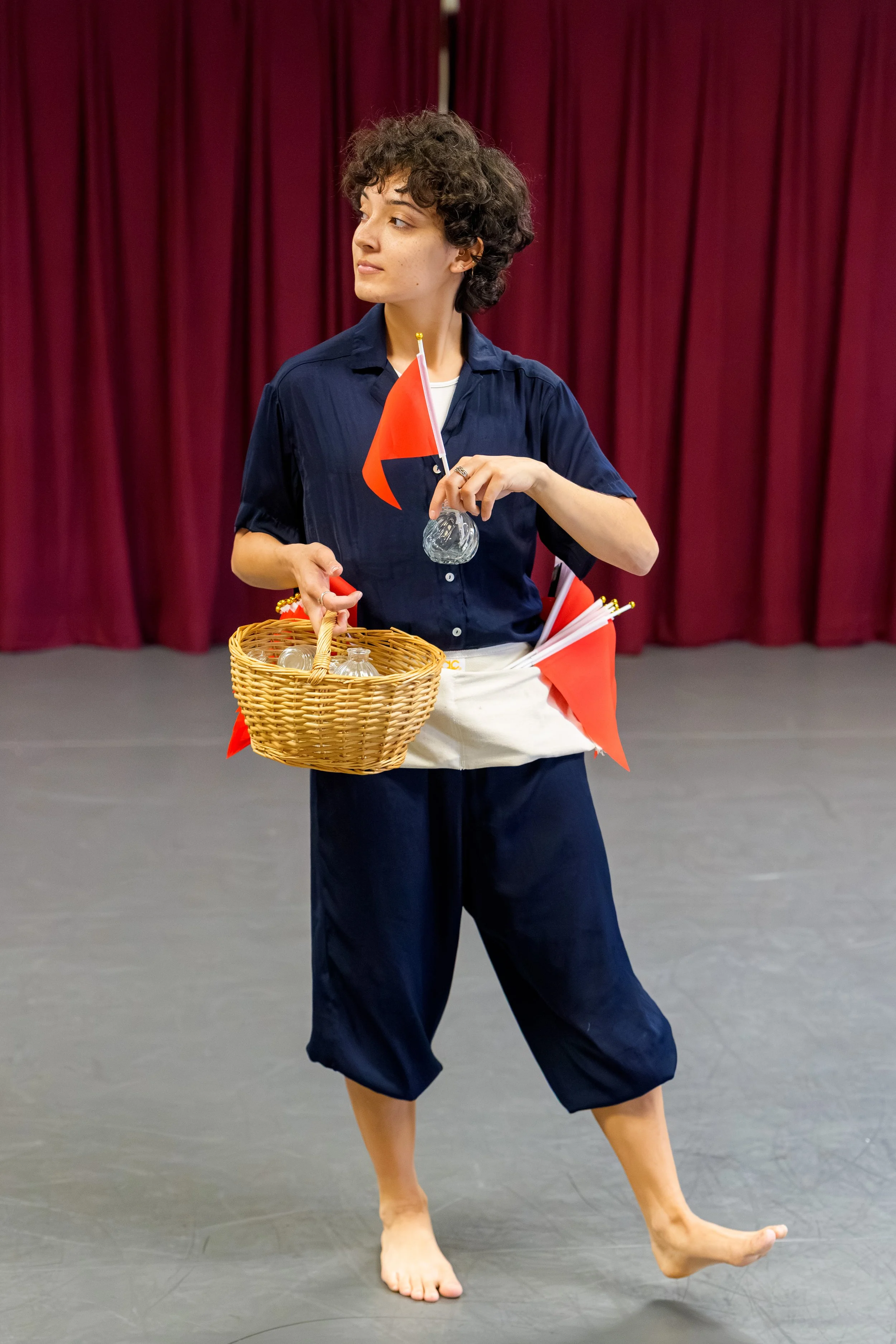
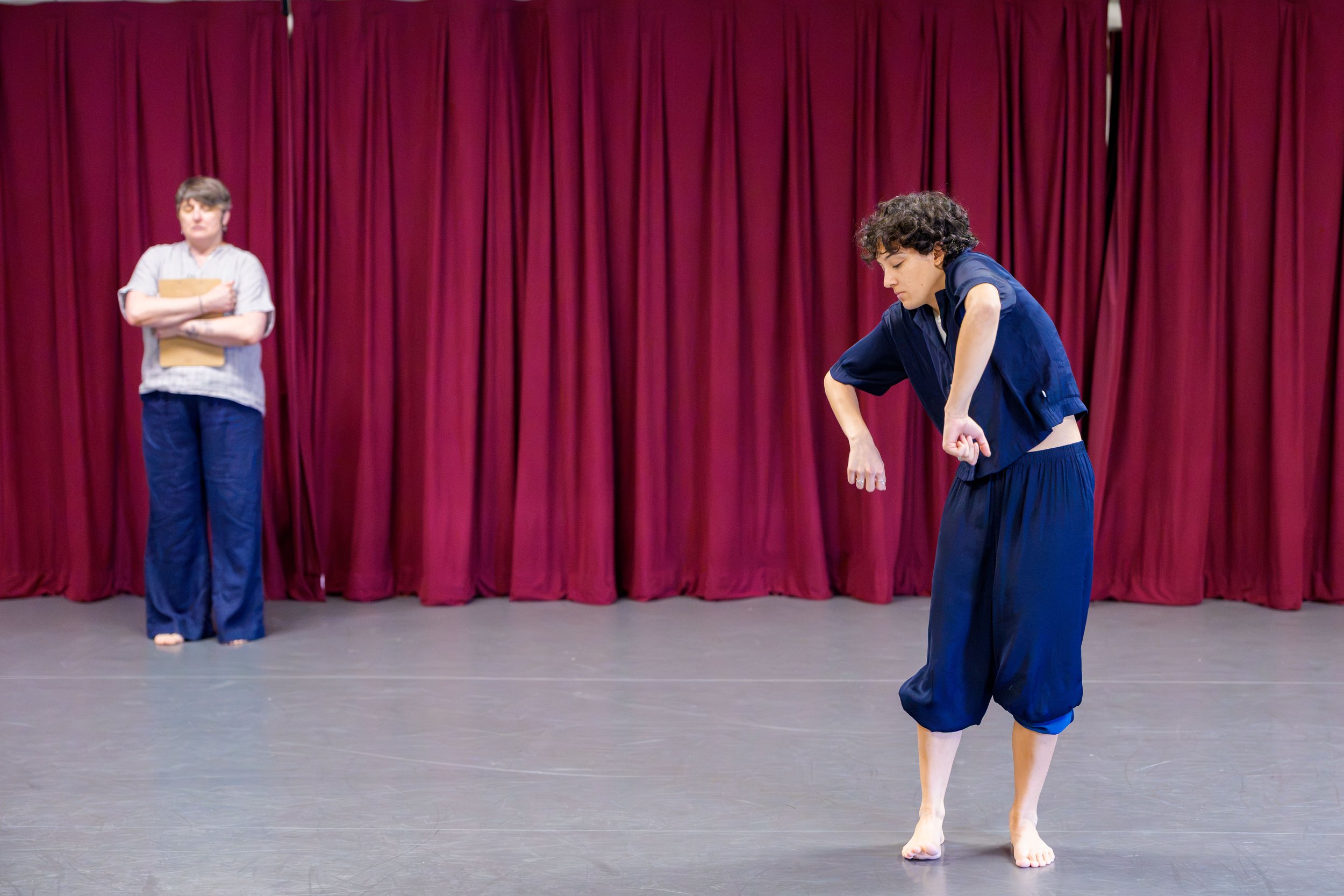
Studio photo credit: John Eng
The Way Back
The Way Back is a new dance-theater work in development by WADE, written and choreographed by Giada Matteini. Drawing from Matteini’s experience as a survivor of domestic violence, the work traces a journey from trauma toward healing, resilience, and embodied joy.
Performed by Matteini alongside dancers Alisha Khatwani and Chiara Pretelli, the work creates a dialogue between past and present. The two younger performers embody earlier versions of Matteini’s self, reflecting the vulnerability, strength, and hope that emerge while rebuilding a life after violence. The work also explores the realities of pursuing an artistic career while navigating single motherhood.
Developed in partnership with anti-violence organizations including Rompi il Silenzio and La Nara in Italy, and the Domestic Violence Project in New York City, The Way Back extends beyond the stage. The project connects performance with survivor-centered community work, creating opportunities for dialogue, reflection, and collective healing. Learn more HERE.
Performances & Public Presentations
The development of The Way Back is connected to WADE’s broader movement and community-based work with survivors of domestic violence. Through workshops, movement explorations, and performance, participants are invited to transform personal and collective experiences into creative expressions of resilience, agency, and survival.
Performances to Date
Domestic Violence Project, NYC— July 14, 2026
Rompi il Silenzio, Rimini, Italy— July 25, 2026 — see full performance HERE
Centro Didattico Polifunzionale, Carmignano, Italy — July 29, 2026 — see full performance HERE